The Rise of Micro-Fulfillment Centers: Is Nebraska Next?
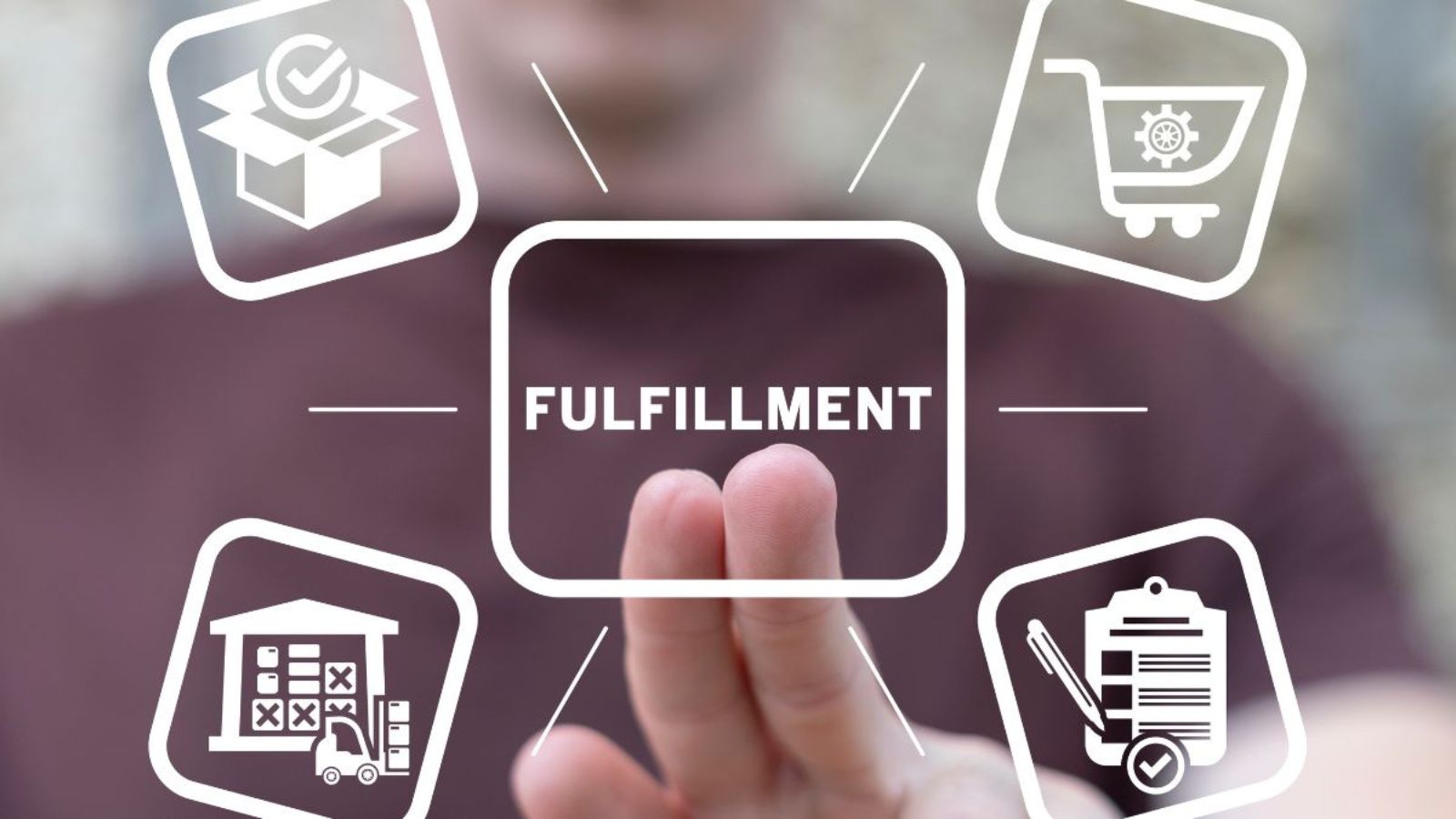
Micro-fulfillment centers are appearing near major cities because compact, automated hubs close to customers cut delivery times and lower costs. With enough population centers and strong transport links, Nebraska can become a good fit for micro-fulfillment. Retailer investment can help boost same-day delivery and reduce last-mile expenses.
This article explains how micro-fulfillment is changing retail logistics and which local factors matter. It shows which Nebraska cities could attract centers, what challenges they face, and what steps local businesses and policymakers can take to make it happen.
Micro-Fulfillment Centers: Transforming Retail Logistics
Micro-fulfillment centers bring inventory closer to customers, speed up orders, and cut last-mile costs. They change store layouts, staffing, and delivery options to meet fast delivery demands.
What Are Micro-Fulfillment Centers?
Micro-fulfillment centers (MFCs) are small, high-density warehouses placed near urban customers or inside stores.
They usually occupy a few hundred to a few thousand square feet and hold fast-moving SKUs for online orders.
MFCs focus on picking and small-batch workflows that pack and ship orders for same-day or next-day delivery and curbside pickup.
They often sit in retail backrooms, underused store space, or dedicated urban sites to reduce travel distance while supporting multiple storage locations.
Operators use compact shelving, conveyors, and automated storage to maximize space.
That structure helps retailers avoid excess inventory, track inventory in real time, and optimize inventory levels without relying only on large regional distribution centers.
Benefits for Retailers and Consumers
Retailers gain faster fulfillment, lower delivery miles, and better inventory turnover. Last-mile transportation costs drop, and on-time order rates improve. Repurposing store space for MFCs increases e-commerce capacity without major new construction and brings products closer to neighborhoods.
Consumers benefit from quicker delivery windows, such as same-day or two-hour service. Stock visibility improves, and pickup becomes faster. Retailers can respond better to customer expectations, maintain a wide range of SKUs locally, and strengthen overall customer service.
Smaller centers support flexible inventory mixes for seasonal spikes and help balance local demand patterns through regional assortments.
Key Technologies Driving Growth
Automation is central: robots, conveyor systems, and automated storage and retrieval systems (AS/RS) increase pick speed.
These systems reduce labor needs for repetitive tasks and raise throughput in tight footprints.
Integration with last-mile platforms reduces delivery time and overhead, while barcode and RFID scanning maintain accuracy throughout the fulfillment flow.
Machine learning improves slotting and demand forecasting to keep fast-moving items on hand.
Integration with last-mile tech, such as routing apps, courier platforms, and crowdsourced drivers, cuts delivery time and cost.
IoT sensors and barcode/RFID scanning maintain accuracy and traceability through the fulfillment process.
Is Nebraska the Next Micro-Fulfillment Hub?
Nebraska’s central location, growing e-commerce demand, and recent investments in last-mile facilities position it as a plausible site for micro-fulfillment growth. Local labor, real estate costs, and logistics links will shape how quickly operators expand there.
Unique Opportunities in Nebraska
Nebraska sits near major interstate corridors, including I-80 and I-29 connections. These routes shorten transit times to Midwest metros such as Kansas City, Omaha, and Des Moines. Faster transport reduces fixed-route trucking costs and enables same-day or next-day delivery from smaller fulfillment nodes.
Cities such as Omaha and Lincoln have available industrial space at lower rents than coastal markets. That makes it cheaper to test micro-fulfillment technologies such as automated shelving, robotics, and pick-to-light systems. It also avoids the high urban lease premiums seen elsewhere.
Local food retailers and grocery chains moving toward faster delivery can test grocery-focused micro-centers in suburban shopping areas or repurposed stores. Lower population density in many counties allows operators to run hybrid models serving several towns from one micro-hub.
Challenges for Local Implementation
Labor availability varies across Nebraska. Urban areas offer warehouse talent, while rural regions may require additional training pathways for automation support roles.
Infrastructure gaps also matter. Facilities in growth corridors may need electrical and network upgrades to support robotics and real-time systems.
Zoning and permitting differ by city, and retrofitting retail or light industrial properties can raise concerns about traffic flow and delivery access, potentially slowing deployment.
Economic Impact and Employment Prospects
Micro-fulfillment centers can create a mix of jobs: entry-level pickers, maintenance technicians, and automation operators. Wages for warehouse roles in Nebraska tend to be lower than coastal averages, which helps operators control labor cost per order.
Tax incentives, workforce training programs, and public-private partnerships could speed adoption. Community colleges and technical schools can supply credentials for robotics maintenance and systems operation, reducing hiring friction.
Local supply chain spillovers may benefit trucking firms, last-mile couriers, and cold-chain providers. However, gains depend on operator scale; a few small pilots produce limited regional employment, while a cluster of hubs could meaningfully boost logistics-sector jobs.
Nebraska Warehouse One-Stop-Shop | TechnologyEnabled 3PL Value-Added Services Warehouse | Freight Broker | Logistics
Nebraska Warehouse doesn’t just help to facilitate your shipments, but we are truly a one-stop-shop solutions provider. Our services include:
- Professional Storage Development and Management
- Quality controlled Environment
- Responsive, Personal Customer Service
- Reasonable Price
- Real Estate Development and Management
- LTL & FTL Shipping
- Refrigerated Trucking & Storage
- E-Technology Software
- Transportation Freight
- Dedicated Contract Warehousing
- 3PL Public Warehousing
- 3PL Specifications
Nebraska Warehouse One-Stop-Shop | TechnologyEnabled 3PL Value-Added Services Warehouse | Freight Broker | Logistics
Nebraska Warehouse doesn’t just help to facilitate your shipments, but we are truly a one-stop-shop solutions provider. Our services include:
Latest News
The latest information about our Omaha storage warehouse services

Nebraska Warehouse Storage Restrictions: What Items Can a Commercial Warehouse Legally Store?
Nebraska Warehouse operates under strict storage restrictions to protect safety, maintain...
March 2, 2026
The Rise of Micro-Fulfillment Centers: Is Nebraska Next?
Micro-fulfillment centers are appearing near major cities because compact, automated hubs close to...
February 5, 2026

Short-Term vs. Long-Term Warehouse Storage Explained: Choosing the Right Solution for Inventory Needs
Warehouse storage decisions often come down to choosing between short-term and long-term options...
January 15, 2026

How 3PLs Help Manufacturers Stabilize Supply Chains During Peak Weather Disruptions
Third-party logistics providers (3PLs) stabilize supply chains when severe weather disrupts...
December 11, 2025
The Role of Automation in Inventory Auditing and Cycle Counts
Automation in inventory auditing plays a crucial role in modern inventory management systems by...
November 4, 2025
Warehouse Energy Efficiency Tips for Fall and Winter
As temperatures drop in fall and winter, warehouse energy efficiency becomes a key focus across the...
October 13, 2025
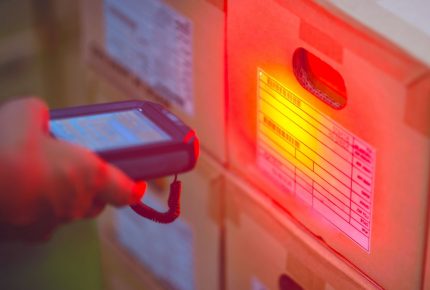
Top Tech Gadgets for Warehouse Teams to Streamline Holiday Operations
Tech gadgets have become indispensable for warehouse teams during the holiday season, when rising...
September 19, 2025

Reducing Shipping Costs Through Strategic Warehouse Placement for Enhanced Supply Chain Efficiency
Reducing shipping costs is crucial for any company, especially when goods must travel long...
August 28, 2025

Pick and Pack Services Explained: Streamlining Order Fulfillment
Pick and pack services handle selecting individual items from inventory and packaging them for...
August 8, 2025

Is Your Warehouse Ready for Fall Rush? Essential Tips for Q4 Success
As the year winds down, the holiday season brings a sharp spike in orders, returns, and customer...
July 14, 2025
Get in touch
Address
10064 S 134th Street, Omaha, NE 68138
Telephone
+1 (402) 896-2200