Short-Term vs. Long-Term Warehouse Storage Explained: Choosing the Right Solution for Inventory Needs
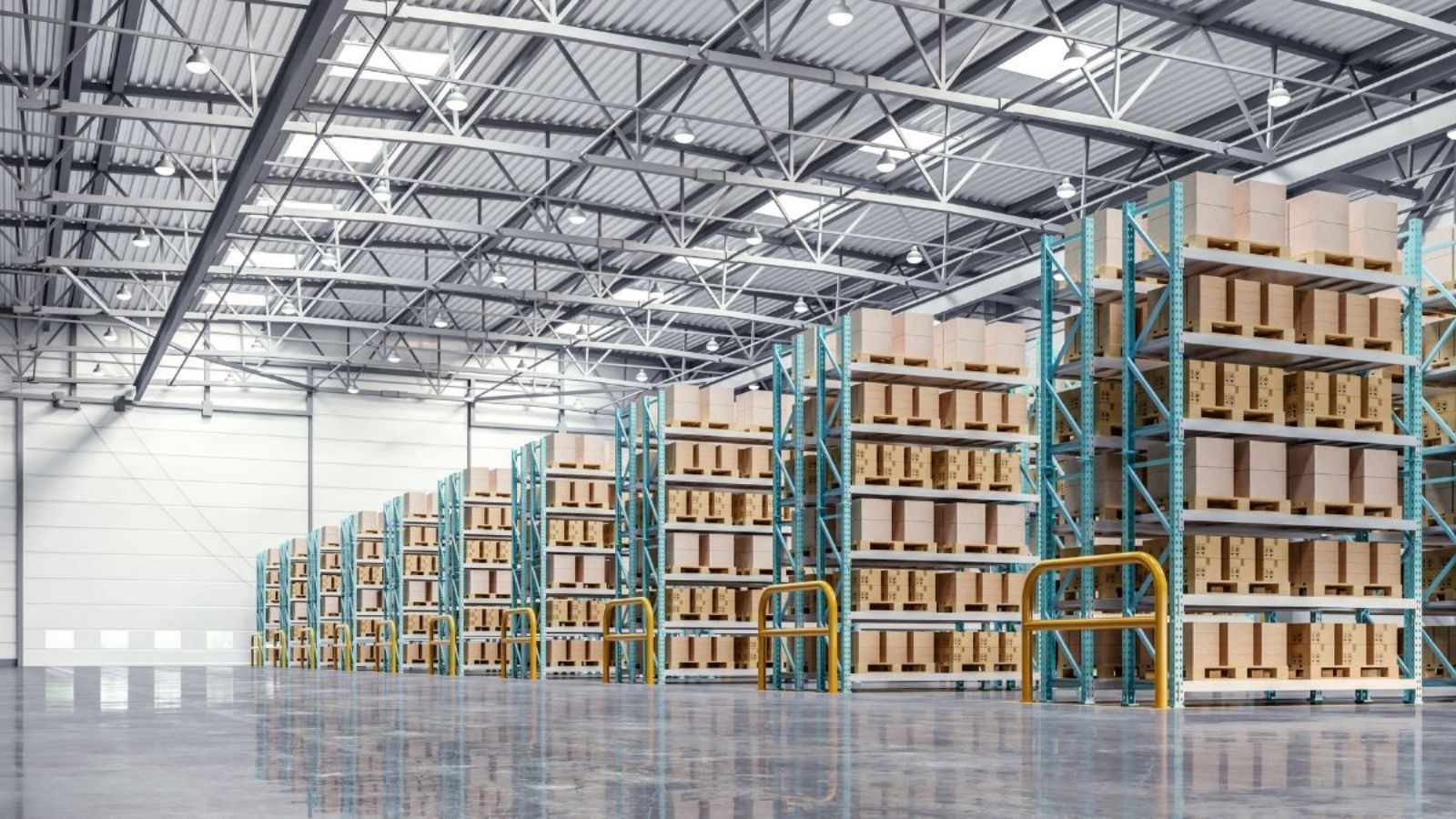
Warehouse storage decisions often come down to choosing between short-term and long-term options when handling changing demand, seasonal stock, or uneven inbound flows across supply chains. Short-term solutions offer flexibility for fluctuations, while long-term arrangements reduce per-unit costs for stable inventory profiles.
Key cost, access, and operational trade-offs are examined to support informed storage planning and protect the bottom line. Clear comparisons highlight duration, handling frequency, and risk exposure to support better decision-making.
Short-Term vs. Long-Term Warehouse Storage Explained: Choosing the Right Solution for Inventory Needs
Key Differences Between Short-Term and Long-Term Warehouse Storage
Short-term storage holds goods for days to a few months with fast access and frequent turnover. Long-term storage keeps goods for several months to years with lower handling and steadier placement.
Short-Term Warehouse Storage: Definition and Typical Uses
Short-term storage focuses on speed and flexibility. It uses pallet racking, pick-and-pack areas, and frequent inventory moves. Costs are higher per day because space and labor are used intensively. Contracts are often month-to-month or weekly, and billing usually includes handling and shipping fees.
Long-term storage emphasizes space efficiency and stability. It places slow-moving items in bulk racks, mezzanines, or floor-stacked lanes to reduce handling. Contracts tend to be multi-month or annual, with lower monthly rates. Inventory counting, climate control, and insurance plans are tailored to long dwell times.
Operationally, short-term setups require strong inbound/outbound processes and quick receiving. Long-term setups need clear labeling, durable packaging, and plans for periodic audits.
Primary Use Cases
Short-term storage suits seasonal spikes, trade show inventory, emergency restocks, or cross-dock operations. Retailers ramping up for the holidays and manufacturers holding transit buffer stock commonly use it. E-commerce sellers needing rapid fulfillment by the week also use short-term slots.
Long-term storage fits surplus stock, slow-moving SKUs, archives, or inventory held for future product launches. Importers waiting for distribution windows and parts suppliers stocking replacement components use long-term space. Businesses storing hazardous materials long-term need regulatory-compliant layouts and documentation.
The choice depends on inventory turnover, cash flow, and demand predictability. Short-term storage is more efficient for goods that move weekly, while long-term storage is more cost-effective for inventory held for months.
Types of Goods Stored
Short-term storage typically holds finished goods ready to ship, promotional items, perishable items with short shelf life, and transit stock. It also stores e-commerce parcels awaiting quick pick-and-pack. Items often arrive barcoded and require minimal repackaging.
Long-term storage often contains raw materials, seasonal goods out of season, slow-moving spare parts, and records or archived items. It also stores bulk items and goods that need special conditions. This includes textiles and electronics that require stable humidity and temperature.
Both models can store hazardous or regulated goods. However, long-term storage often requires stricter rules, special shelves, and detailed inventory logs.
Choosing the Right Storage Solution
Selecting storage depends on the business’s cash flow, inventory patterns, access needs, and handling requirements. The writer narrows choices by weighing price, space growth, and how storage affects daily operations.
Cost Considerations
Businesses should compare all fees, not just rent. Short-term storage often charges higher monthly rates and handling fees but avoids long-term contracts. Long-term storage usually offers lower per-unit rent and reduced handling costs when inventory stays stable.
Consider these line items:
- Rent per pallet or square foot: Compare month-to-month vs. annual pricing.
- Handling and cross-dock fees: Frequent moves raise costs for short-term use.
- Insurance and climate-control premiums: Essential for sensitive goods and often higher in long-term, dedicated areas.
- Minimums and penalties: Know minimum space charges and early-exit penalties in contracts.
A 6–12 month cost projection should be run by the business, showing peak months and slow periods. This projection reveals the break-even point where long-term storage becomes less expensive than short-term options.
Scalability and Flexibility
Short-term storage suits seasonal spikes and sudden demand shifts. It lets a company add or drop space quickly without long-term commitment.
Long-term storage fits predictable, steady inventories. It allows negotiated rates for larger footprints and planned operational layouts.
Key decisions include:
- Lead time to add space: Short-term providers can expand in days; long-term expansions take months.
- Contract length and exit terms: Flexible clauses reduce risk during uncertain demand.
- Layout and racking options: Permanent racking in long-term sites improves density and handling speed.
- IT and WMS integration: Ensure systems can scale with inventory to avoid manual work during growth.
The chosen storage option should align with forecast variance and the organization’s tolerance for rapid change.
Logistics and Operational Impact
Storage choice changes picking, shipping speed, and labor needs. Short-term locations often sit near ports or urban centers, reducing transport time and last-mile costs.
Long-term facilities may be farther from customers but provide optimized workflows and lower per-unit handling costs. They support bulk receiving, dedicated packing lines, and stable labor scheduling.
Operational factors to review:
- Transit time to key customers or suppliers: Shorter transit reduces lead time and stockouts.
- Dock and equipment availability: Gateways with sufficient docks speed throughput.
- Labor availability and wage rates: Urban short-term sites may have higher wages but a more
- limited labor supply.
- Inventory accuracy and cycle count frequency: Long-term facilities usually support structured cycle counts better.
Businesses should map current order profiles and handling steps to the candidate site to estimate total landed time and per-order handling cost.
Nebraska Warehouse One-Stop-Shop | TechnologyEnabled 3PL Value-Added Services Warehouse | Freight Broker | Logistics
Nebraska Warehouse doesn’t just help to facilitate your shipments, but we are truly a one-stop-shop solutions provider. Our services include:
- Professional Storage Development and Management
- Quality controlled Environment
- Responsive, Personal Customer Service
- Reasonable Price
- Real Estate Development and Management
- LTL & FTL Shipping
- Refrigerated Trucking & Storage
- E-Technology Software
- Transportation Freight
- Dedicated Contract Warehousing
- 3PL Public Warehousing
- 3PL Specifications
Nebraska Warehouse One-Stop-Shop | TechnologyEnabled 3PL Value-Added Services Warehouse | Freight Broker | Logistics
Nebraska Warehouse doesn’t just help to facilitate your shipments, but we are truly a one-stop-shop solutions provider. Our services include:
Latest News
The latest information about our Omaha storage warehouse services

Why This Spring Is The Ideal Time To Rethink Your Distribution Strategy
A spring distribution strategy becomes more important as demand patterns start to change. Spring...
March 23, 2026

Nebraska Warehouse Storage Restrictions: What Items Can a Commercial Warehouse Legally Store?
Nebraska Warehouse operates under strict storage restrictions to protect safety, maintain...
March 2, 2026

The Rise of Micro-Fulfillment Centers: Is Nebraska Next?
Micro-fulfillment centers are appearing near major cities because compact, automated hubs close to...
February 5, 2026

Short-Term vs. Long-Term Warehouse Storage Explained: Choosing the Right Solution for Inventory Needs
Warehouse storage decisions often come down to choosing between short-term and long-term options...
January 15, 2026

How 3PLs Help Manufacturers Stabilize Supply Chains During Peak Weather Disruptions
Third-party logistics providers (3PLs) stabilize supply chains when severe weather disrupts...
December 11, 2025
The Role of Automation in Inventory Auditing and Cycle Counts
Automation in inventory auditing plays a crucial role in modern inventory management systems by...
November 4, 2025

Warehouse Energy Efficiency Tips for Fall and Winter
As temperatures drop in fall and winter, warehouse energy efficiency becomes a key focus across the...
October 13, 2025

Top Tech Gadgets for Warehouse Teams to Streamline Holiday Operations
Tech gadgets have become indispensable for warehouse teams during the holiday season, when rising...
September 19, 2025

Reducing Shipping Costs Through Strategic Warehouse Placement for Enhanced Supply Chain Efficiency
Reducing shipping costs is crucial for any company, especially when goods must travel long...
August 28, 2025

Pick and Pack Services Explained: Streamlining Order Fulfillment
Pick and pack services handle selecting individual items from inventory and packaging them for...
August 8, 2025
Get in touch
Address
10064 S 134th Street, Omaha, NE 68138
Telephone
+1 (402) 896-2200