Why Food Grade Storage Standards Matter Most During Warm Weather Months
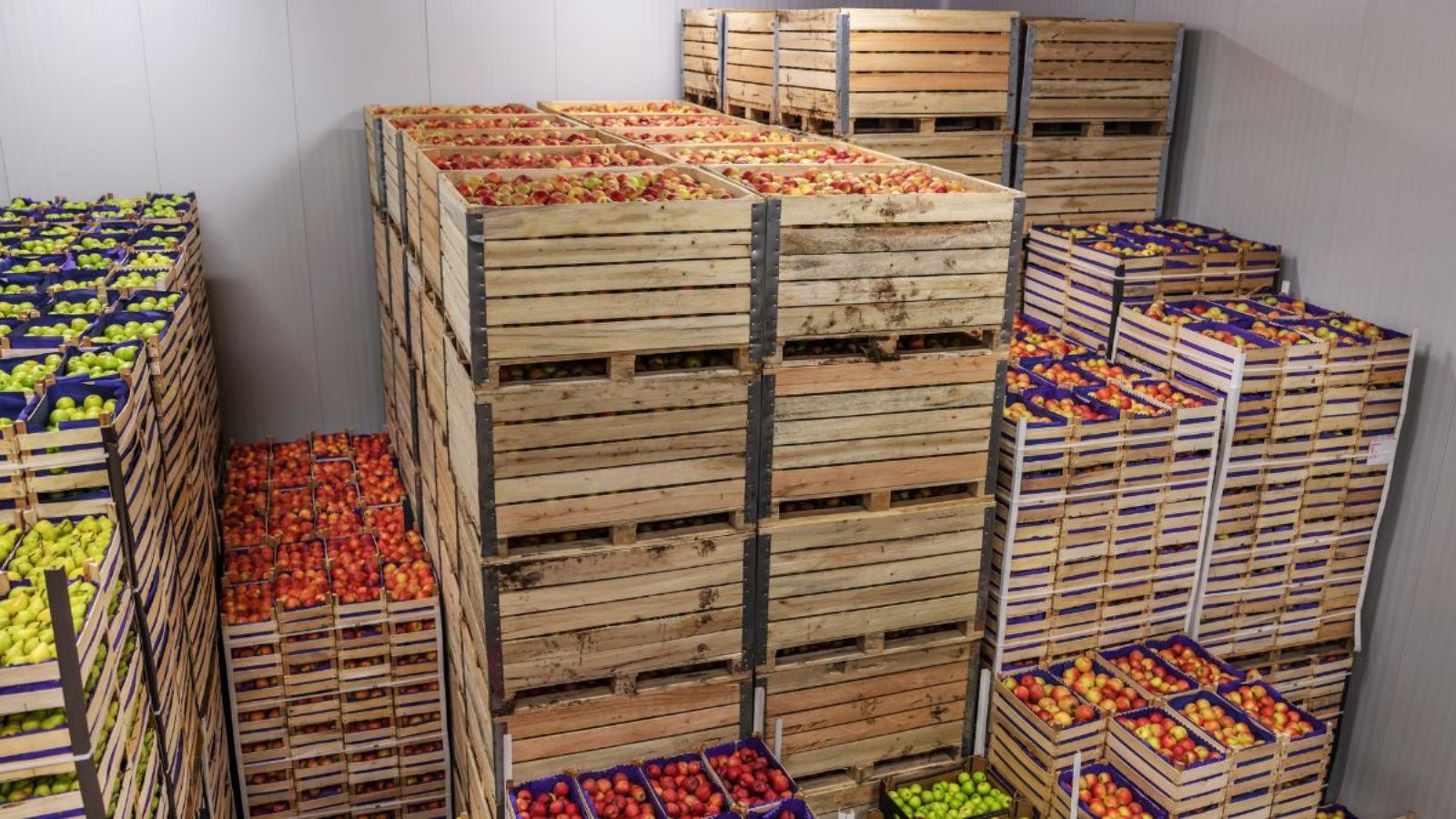
Food-grade storage standards become even more important during warm weather. Heat and humidity can reduce product quality, shorten shelf life, and increase food safety risks if storage conditions are not properly controlled. Even small temperature fluctuations can create larger issues throughout the supply chain.
Summer also brings faster product movement for many businesses. Warehouses must handle increased inventory levels while keeping products clean, safe, and properly stored. This is why maintaining strict storage standards becomes even more critical during peak summer conditions.
Why Warm Weather Creates More Food Storage Problems
Hot weather puts extra pressure on food storage facilities. Heat and moisture can damage packaging, affect freshness, and increase the risk of contamination. This can impact both finished products and raw materials stored inside the warehouse.
During summer, products often move in and out of storage more quickly. This means warehouse teams must work faster without losing control over storage conditions or inventory levels.
Some common warm-weather storage issues include:
- High humidity levels
- Mold or bacterial growth
- Heat-damaged packaging
- Extra strain on cooling systems
- Faster product spoilage
Without proper storage practices, these issues can affect inventory condition, delivery schedules, quality control processes, and overall storage costs.
Temperature and Cleanliness Both Matter
Keeping food at the right temperature is only part of the process. Clean storage areas are also important during warm weather because heat and moisture can cause problems faster.
Food grade facilities usually follow strict cleaning and handling procedures. These steps help lower the risk of contamination, support quality standards, and improve food safety for stored products.
| Storage Factor | Why It Matters | Possible Benefit |
|---|---|---|
| Climate monitoring | Tracks temperature changes | Helps reduce spoilage risk |
| Ventilation systems | Improves airflow | Reduces moisture buildup |
| Sanitation procedures | Keeps storage areas clean | Supports food safety |
| Inventory rotation | Moves older stock first | Helps reduce waste |
When these storage systems work together, warehouses can better protect food products during the summer.
Product Movement Becomes More Important in Summer
Warm weather can reduce how long some products stay fresh. Because of this, inventory must move through storage and shipping more efficiently.
Many warehouses use inventory rotation systems to ensure older products are shipped first. This helps reduce excessive inventory and lowers the chance of products sitting too long in storage. Strong inventory rotation also helps improve inventory turnover during busy seasons.
Efficient shipping coordination also helps reduce how long products remain exposed to heat during loading and transportation. A reliable storage solution can help businesses manage inventory more effectively during periods of higher demand.
Important summer warehouse priorities often include:
- Faster loading and unloading
- Better inventory tracking
- Organized delivery schedules
- Clear communication between teams
- Improved shipment coordination
These steps help products move safely through the supply chain while helping businesses meet customer demand.
Food Grade Standards Support Better Operations
Food-grade storage standards do more than help businesses meet regulations. They also help reduce product loss, improve daily operations, and support more reliable deliveries.
Customers expect food products to arrive in good condition, regardless of how hot the weather is outside. Warehouses that maintain clean and controlled environments help businesses meet those expectations.
Strong food-grade storage practices can help support:
- Better product quality
- Lower risk of damaged inventory
- Smoother warehouse operations
- More reliable shipping schedules
- Stronger supply chain performance
Better warehouse organization also helps improve operational efficiency by reducing waste, shipment delays, and unnecessary handling costs.
Preparing Early Helps Prevent Problems
Summer often exposes storage problems that may not appear during cooler months. Reviewing warehouse systems early can help businesses avoid larger issues later.
This may include checking cooling systems, improving airflow, reviewing cleaning procedures, or adjusting inventory schedules. Businesses that proactively manage inventory during the summer months are often better prepared for seasonal demand shifts.
Reviewing storage capacity before peak summer months can also help warehouses avoid overcrowding and maintain stable storage conditions during periods of increased activity.
Small operational improvements can also help lower storage costs and improve overall warehouse performance before peak summer temperatures arrive.
Proper Storage Matters More During Hot Weather
Food-grade storage standards become more important during warm weather because heat and humidity increase risks for food products. Clean facilities, stable temperatures, and organized inventory systems all help reduce spoilage and contamination.
With the right storage practices in place, businesses can protect inventory quality, improve operational efficiency, and keep products moving safely throughout the summer. Strong warehouse practices also help support the supply chain and meet customer demand.
Nebraska Warehouse One-Stop-Shop | TechnologyEnabled 3PL Value-Added Services Warehouse | Freight Broker | Logistics
Nebraska Warehouse doesn’t just help to facilitate your shipments, but we are truly a one-stop-shop solutions provider. Our services include:
Latest News
The latest information about our Omaha storage warehouse services

Why “In Stock” Does Not Always Mean “Ready to Ship” During Peak Season
During peak season, businesses often encounter a frustrating fulfillment question: an item shows as...
October 14, 2026
Which Products Need Climate-Controlled Storage? A Shipper’s Guide to Temperature, Humidity, and Handling Risk
Storage requirements can become more complicated when a product looks stable at first but has...
September 25, 2026

What Happens When Retail and E-Commerce Orders Need the Same Inventory at the Same Time?
Retail and e-commerce orders can create a difficult warehouse situation when both channels need the...
September 2, 2026

Why Omaha Is the Secret Escape Route for Stalled Summer Freight
Many freight delays are not caused by a shipment failing to leave on time. They often happen after...
August 4, 2026

Why Shippers Lose Millions Waiting on LAX and Long Beach Instead of Staging in the Midwest
Many businesses focus on getting cargo through Southern California ports as quickly as possible....
July 3, 2026
The Silent Killer of Food-Grade Goods: How Creeping Ambient Micro-Climates Destroy Shelf Life Before Delivery
When food-grade products leave the manufacturer, many businesses focus on transportation risks....
June 12, 2026

Why Midwest Distribution Centers Become Critical as Coastal Ports Slow Down in Summer
When coastal ports experience slowdowns during the summer, supply chains across the country feel...
May 21, 2026
Why Food Grade Storage Standards Matter Most During Warm Weather Months
Food-grade storage standards become even more important during warm weather. Heat and humidity can...
May 11, 2026
Dedicated Contract Warehousing vs Public Warehousing: What Fits Your Summer Needs?
Dedicated contract warehousing and public warehousing become important when summer demand increases...
April 14, 2026

Why This Spring Is The Ideal Time To Rethink Your Distribution Strategy
A spring distribution strategy becomes more important as demand patterns start to change. Spring...
March 23, 2026
Get in touch
Address
10064 S 134th Street, Omaha, NE 68138
Telephone
+1 (402) 896-2200