Why Midwest Distribution Centers Become Critical as Coastal Ports Slow Down in Summer
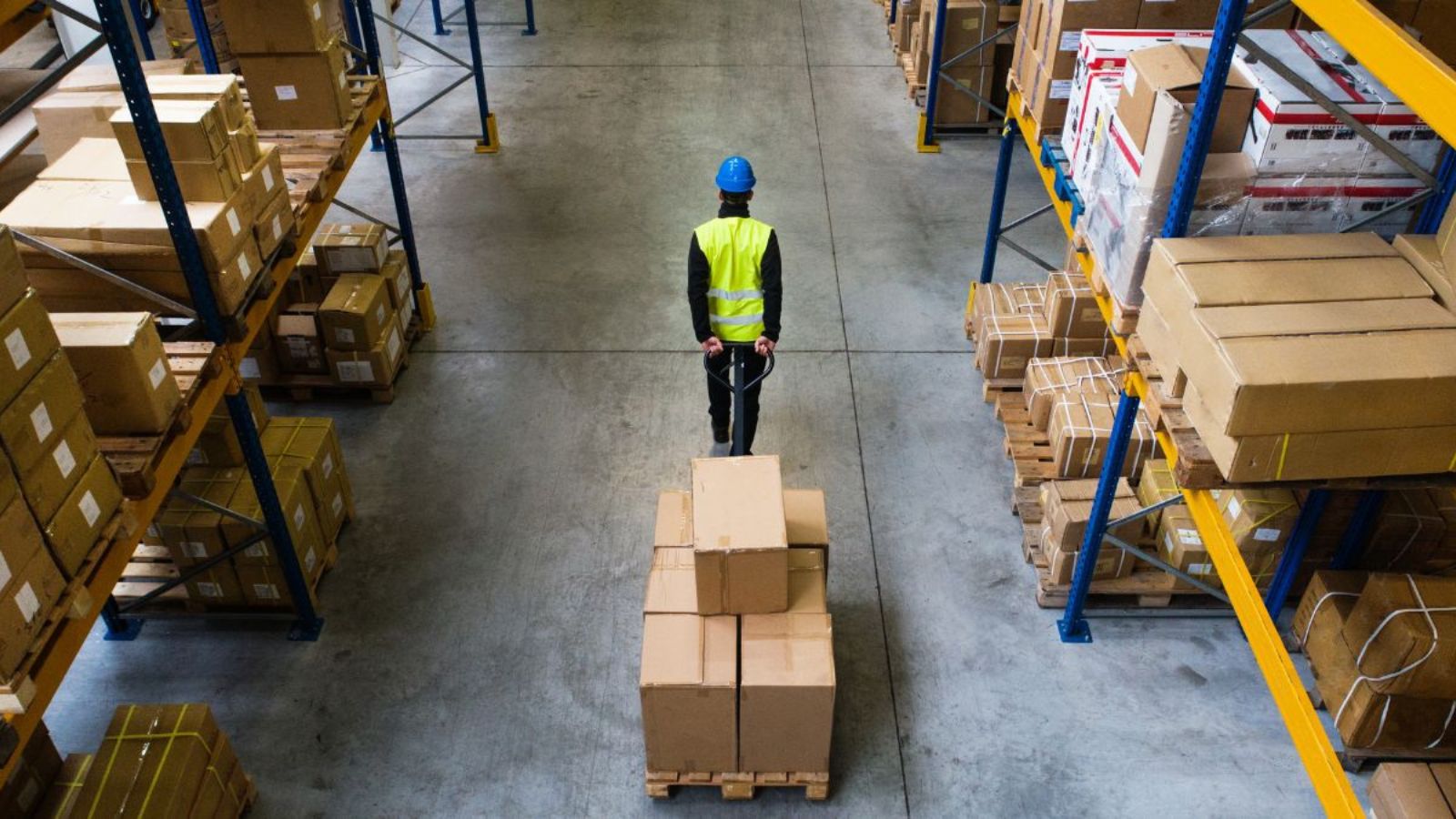
When coastal ports experience slowdowns during the summer, supply chains across the country feel the impact. Increased congestion, seasonal labor shifts, and higher shipping volumes can all lead to longer wait times before goods even leave the port.
That’s why many businesses are turning to Midwest distribution centers to keep inventory moving. By shifting storage and fulfillment inland, you reduce reliance on crowded coastal gateways and create a more stable flow of products to customers nationwide.
Facilities such as Nebraska Warehouse, located in Omaha, Nebraska, help businesses position inventory closer to the center of the U.S., where it can be distributed more efficiently across regions.
Why Coastal Ports Slow Down in Summer
Port activity tends to tighten during summer months for several practical reasons:
- Higher import volumes tied to seasonal retail planning
- Staffing fluctuations due to vacation schedules
- Weather disruptions in coastal regions
- Increased pressure on trucking and rail networks near port hubs
Even small delays at the port can create larger downstream issues, especially when containers sit waiting for pickup or onward transport.
Why the Midwest Becomes a Strategic Distribution Hub
The Midwest sits at a geographic crossroads for national freight movement. From this region, shipments can move efficiently toward both coasts and across major inland routes.
For your business, this positioning helps reduce dependence on any single coastal entry point while improving overall delivery consistency.
Key advantages include:
- More balanced access to national markets
- Reduced exposure to port congestion
- Improved routing flexibility across carriers
- Greater stability in transit times
Faster Movement Once Inventory Is Inland
Once goods are stored in a Midwest facility, they are no longer tied to port delays. This allows shipments to move directly into regional and national distribution networks.
Instead of waiting for coastal clearance, inventory is already positioned closer to customers. This shortens delivery timelines and reduces pressure on last-mile logistics.
It also gives you more control over how shipments are prioritized and routed based on demand.
More Predictable Inventory Flow
Port congestion often creates uncertainty in supply planning. Containers may arrive but not always move quickly due to limited trucking availability or yard congestion.
Midwest warehousing helps smooth that variability. Inventory can be received, organized, and distributed without relying on coastal processing timelines.
With providers like Nebraska Warehouse, businesses gain more visibility and control over how goods move after arrival in the U.S.
Reduced Strain on Coastal Logistics
Relying heavily on coastal ports increases exposure to delays, higher detention costs, and limited carrier availability. These pressures intensify during peak shipping seasons.
By moving part of your distribution inland, you reduce that dependence and spread risk across a broader logistics network.
This often leads to:
- Fewer delays tied to port congestion
- Improved access to trucking capacity
- Lower risk of storage bottlenecks at coastal hubs
- More consistent shipment scheduling
Stronger National Delivery Coverage
A Midwest distribution point allows you to reach customers more evenly across the country. Instead of building fulfillment around coastal entry points, you operate from a central hub.
This helps standardize delivery performance across regions, rather than favoring locations closer to ports.
From a central position, you can serve:
- East Coast markets with fewer routing delays
- West Coast destinations without backtracking through ports
- Southern and northern regions with balanced transit times
Flexibility During Seasonal Demand Shifts
Summer shipping delays often overlap with seasonal spikes in demand across retail, construction, and e-commerce sectors.
Midwest warehousing gives you room to adjust without overwhelming coastal infrastructure. You can store overflow inventory, redistribute stock based on demand, and scale operations without disruption.
This flexibility helps you respond faster when demand shifts unexpectedly.
A More Balanced Supply Chain Approach
Modern supply chains work best when they are distributed rather than dependent on a single entry point. Coastal ports remain essential for imports, but inland distribution provides the stability needed after goods arrive.
Midwest facilities act as a buffer between international shipping and final delivery, helping reduce the impact of congestion and seasonal disruption.
This balance supports:
- More reliable fulfillment timelines
- Better inventory planning
- Reduced exposure to port-related delays
- Improved operational consistency
Why Midwest Distribution Matters
As coastal ports face recurring summer slowdowns, relying solely on them creates avoidable risk in your supply chain. Midwest distribution centers offer a practical way to stabilize inventory flow and improve delivery performance across the country.
By positioning goods closer to the center of demand, you gain more control, fewer delays, and a more adaptable logistics strategy.
Nebraska Warehouse One-Stop-Shop | TechnologyEnabled 3PL Value-Added Services Warehouse | Freight Broker | Logistics
Nebraska Warehouse doesn’t just help to facilitate your shipments, but we are truly a one-stop-shop solutions provider. Our services include:
- Professional Storage Development and Management
- Quality controlled Environment
- Responsive, Personal Customer Service
- Reasonable Price
- Real Estate Development and Management
- LTL & FTL Shipping
- Refrigerated Trucking & Storage
- E-Technology Software
- Transportation Freight
- Dedicated Contract Warehousing
- 3PL Public Warehousing
- 3PL Specifications
Nebraska Warehouse One-Stop-Shop | TechnologyEnabled 3PL Value-Added Services Warehouse | Freight Broker | Logistics
Nebraska Warehouse doesn’t just help to facilitate your shipments, but we are truly a one-stop-shop solutions provider. Our services include:
Latest News
The latest information about our Omaha storage warehouse services
Which Products Need Climate-Controlled Storage? A Shipper’s Guide to Temperature, Humidity, and Handling Risk
Storage requirements can become more complicated when a product looks stable at first but has...
September 25, 2026

What Happens When Retail and E-Commerce Orders Need the Same Inventory at the Same Time?
Retail and e-commerce orders can create a difficult warehouse situation when both channels need the...
September 2, 2026
Why Omaha Is the Secret Escape Route for Stalled Summer Freight
Many freight delays are not caused by a shipment failing to leave on time. They often happen after...
August 4, 2026
Why Shippers Lose Millions Waiting on LAX and Long Beach Instead of Staging in the Midwest
Many businesses focus on getting cargo through Southern California ports as quickly as possible....
July 3, 2026
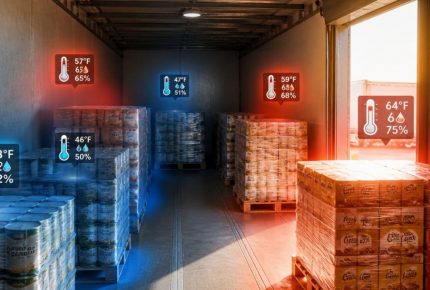
The Silent Killer of Food-Grade Goods: How Creeping Ambient Micro-Climates Destroy Shelf Life Before Delivery
When food-grade products leave the manufacturer, many businesses focus on transportation risks....
June 12, 2026
Why Midwest Distribution Centers Become Critical as Coastal Ports Slow Down in Summer
When coastal ports experience slowdowns during the summer, supply chains across the country feel...
May 21, 2026
Why Food Grade Storage Standards Matter Most During Warm Weather Months
Food-grade storage standards become even more important during warm weather. Heat and humidity can...
May 11, 2026
Dedicated Contract Warehousing vs Public Warehousing: What Fits Your Summer Needs?
Dedicated contract warehousing and public warehousing become important when summer demand increases...
April 14, 2026

Why This Spring Is The Ideal Time To Rethink Your Distribution Strategy
A spring distribution strategy becomes more important as demand patterns start to change. Spring...
March 23, 2026

Nebraska Warehouse Storage Restrictions: What Items Can a Commercial Warehouse Legally Store?
Nebraska Warehouse operates under strict storage restrictions to protect safety, maintain...
March 2, 2026
Get in touch
Address
10064 S 134th Street, Omaha, NE 68138
Telephone
+1 (402) 896-2200