Dedicated Contract Warehousing vs Public Warehousing: What Fits Your Summer Needs?
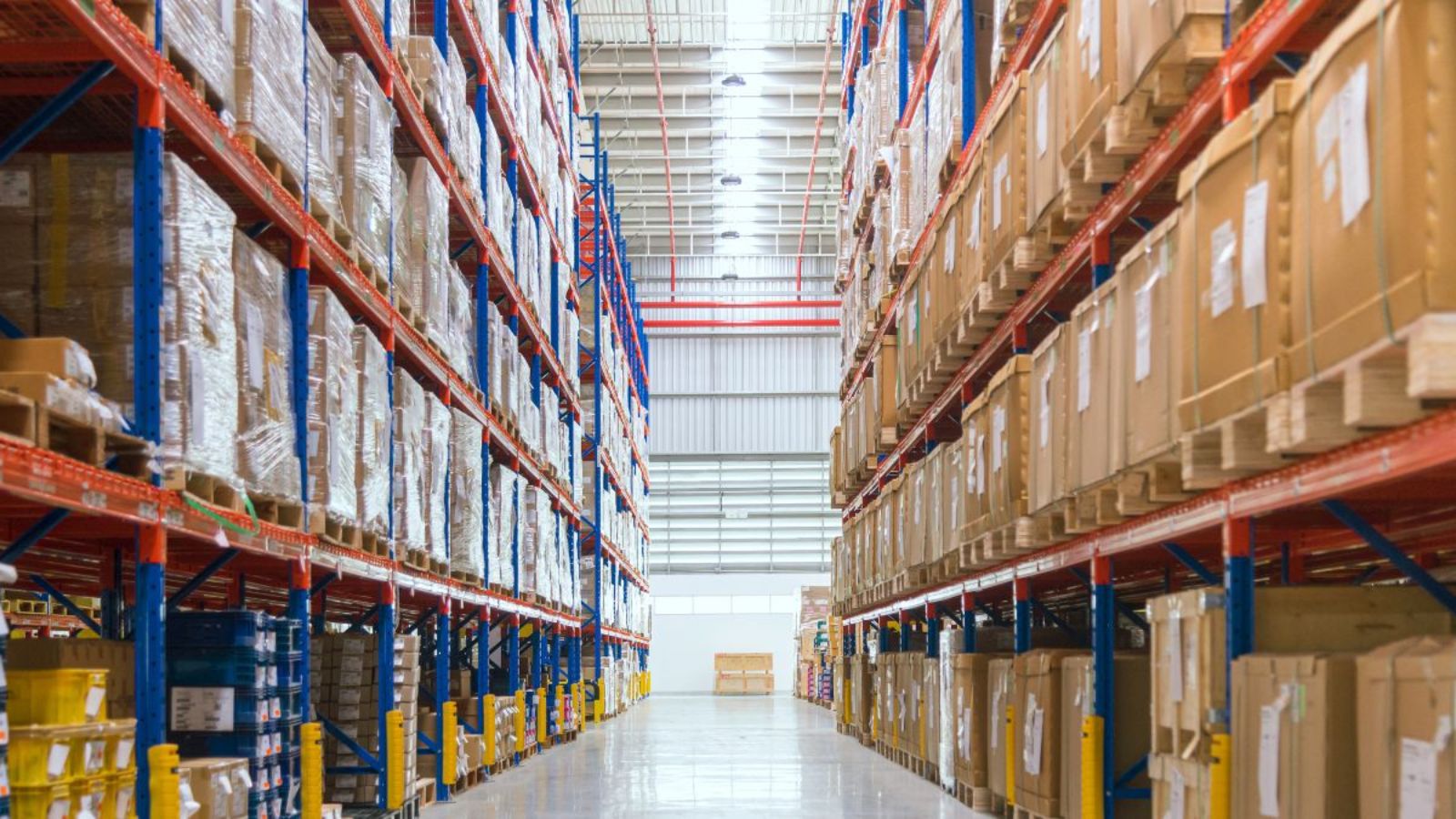
Dedicated contract warehousing and public warehousing become important when summer demand increases pressure on storage, delivery speed, and inventory management. Many businesses face higher order volumes during this time, which can lead to delays if not managed well.
Planning helps reduce these risks. Different warehousing options support different needs, especially during busy months. Dedicated contract warehousing and public warehousing offer two main approaches to managing storage and distribution during peak demand.
Dedicated Contract Warehousing vs Public Warehousing: Understanding the Core Differences
Compare dedicated contract warehousing and public warehousing by looking at space, cost, and control. These factors affect how well operations run during high demand and changing demand patterns.
A contract warehouse provides a dedicated space for one business. This setup allows better control and more stable warehouse operation. Processes are often designed to match the exact needs of the business.
A public warehouse is shared by many businesses. Storage is flexible and can be adjusted based on demand. This makes it easier to manage changing needs without long contracts or fixed warehouse space.
Key Characteristics at a Glance
| Category | Dedicated Contract Warehousing | Public Warehousing |
|---|---|---|
| Space Usage | Exclusive facility or dedicated section for one business | Shared space with multiple businesses |
| Contract Type | Long-term agreement with defined terms | Short-term or flexible agreements |
| Cost Structure | Fixed or semi-fixed pricing based on contract | Variable pricing based on storage and usage |
| Scalability | Limited flexibility, capacity is pre-agreed | Highly scalable based on current demand |
| Customization | High level of customization in layout, systems, and workflows | Limited customization due to shared environment |
| Operational Control | Full control over processes, staffing, and systems | Limited control, operations managed by provider |
| Inventory Management | Tailored systems aligned with business needs | Standardized systems shared across clients |
| Technology Integration | Easier integration with internal systems | May have restrictions or standard platforms |
| Service Level Consistency | High consistency due to dedicated resources | May vary depending on overall facility usage |
| Availability During Peak Season | Guaranteed capacity based on contract | Availability may fluctuate during high demand |
| Setup Time | Requires initial setup and planning | Quick to start with minimal setup |
| Best Use Case | Stable, high volume, predictable demand | Seasonal, fluctuating, or uncertain demand |
Advantages During Summer Demand
Dedicated contract warehousing and public warehousing offer different benefits during busy months. Each model handles operations during busy peak times, but in distinct ways.
Dedicated contract warehousing provides steady access to space and staff. This helps manage large volumes and supports tasks such as order fulfillment and pick-and-pack during seasonal peaks. It works best when demand is stable and predictable.
Public warehousing provides flexibility. Businesses can scale space up or down based on seasonal fluctuations. This model also supports better planning when using a demand forecast to guide storage needs.
Comparison of Benefits
| Factor | Dedicated Contract Warehousing | Public Warehousing |
|---|---|---|
| Cost Predictability | Stable and predictable costs over contract duration | Costs fluctuate based on storage, handling, and duration |
| Upfront Investment | May involve setup costs and long-term commitment | Minimal upfront cost, pay only for what is used |
| Flexibility | Limited flexibility once the contract is in place | High flexibility to scale space and services |
| Scalability | Capacity is fixed but can be planned in advance | Easily scale up or down based on seasonal demand |
| Operational Efficiency | Streamlined processes tailored to specific workflows | Standardized processes may reduce efficiency for unique needs |
| Speed of Implementation | Slower due to setup and onboarding | Faster onboarding with ready-to-use facilities |
| Control Over Operations | High control over staff, layout, and procedures | Limited control, managed by warehouse provider |
| Inventory Accuracy | Higher accuracy due to dedicated systems and processes | Accuracy depends on shared systems and provider standards |
| Risk During Peak Season | Lower risk due to reserved space and resources | Higher risk of limited space during peak periods |
| Service Consistency | Consistent service levels with dedicated teams | Service levels may vary depending on facility load |
| Technology Integration | Easier to align with internal systems | May require adapting to provider systems |
| Best Fit Scenario | Businesses with steady, high-volume seasonal demand | Businesses with unpredictable or short-term storage needs |
Choosing the Right Fit for Summer
Choosing the right model depends on business needs. Dedicated contract warehousing vs public warehousing should match demand levels and support strong customer service.
Dedicated contract warehousing works well for stable demand. It helps maintain quality service and improves customer satisfaction. It also supports a consistent customer experience during busy periods.
Public warehousing is better for changing demand. It allows businesses to control costs and improve cost savings when volume is uncertain. This flexibility reduces risk during peak months.
Key Decision Factors
- Volume of inventory during peak season
- Length of storage needs
- Budget and cost limits
- Level of control needed
- Location and delivery needs
- Availability of added services
Some businesses use a mix of both models. Dedicated contract warehousing vs public warehousing can be combined with private warehousing to balance stability and flexibility.
Planning for Seasonal Efficiency
Good planning helps avoid delays during busy months. Dedicated contract warehousing vs public warehousing decisions should be made early to prepare for the peak season.
Forecasting demand helps estimate storage needs. This reduces the risk of running out of space or overstocking due to changing demand patterns.
Clear communication across teams improves performance. Dedicated contract warehousing vs public warehousing both work better when processes are simple and well-organized.
Nebraska Warehouse One-Stop-Shop | TechnologyEnabled 3PL Value-Added Services Warehouse | Freight Broker | Logistics
Nebraska Warehouse doesn’t just help to facilitate your shipments, but we are truly a one-stop-shop solutions provider. Our services include:
- Professional Storage Development and Management
- Quality controlled Environment
- Responsive, Personal Customer Service
- Reasonable Price
- Real Estate Development and Management
- LTL & FTL Shipping
- Refrigerated Trucking & Storage
- E-Technology Software
- Transportation Freight
- Dedicated Contract Warehousing
- 3PL Public Warehousing
- 3PL Specifications
Nebraska Warehouse One-Stop-Shop | TechnologyEnabled 3PL Value-Added Services Warehouse | Freight Broker | Logistics
Nebraska Warehouse doesn’t just help to facilitate your shipments, but we are truly a one-stop-shop solutions provider. Our services include:
Latest News
The latest information about our Omaha storage warehouse services

Why “In Stock” Does Not Always Mean “Ready to Ship” During Peak Season
During peak season, businesses often encounter a frustrating fulfillment question: an item shows as...
October 14, 2026
Which Products Need Climate-Controlled Storage? A Shipper’s Guide to Temperature, Humidity, and Handling Risk
Storage requirements can become more complicated when a product looks stable at first but has...
September 25, 2026

What Happens When Retail and E-Commerce Orders Need the Same Inventory at the Same Time?
Retail and e-commerce orders can create a difficult warehouse situation when both channels need the...
September 2, 2026

Why Omaha Is the Secret Escape Route for Stalled Summer Freight
Many freight delays are not caused by a shipment failing to leave on time. They often happen after...
August 4, 2026

Why Shippers Lose Millions Waiting on LAX and Long Beach Instead of Staging in the Midwest
Many businesses focus on getting cargo through Southern California ports as quickly as possible....
July 3, 2026

The Silent Killer of Food-Grade Goods: How Creeping Ambient Micro-Climates Destroy Shelf Life Before Delivery
When food-grade products leave the manufacturer, many businesses focus on transportation risks....
June 12, 2026

Why Midwest Distribution Centers Become Critical as Coastal Ports Slow Down in Summer
When coastal ports experience slowdowns during the summer, supply chains across the country feel...
May 21, 2026
Why Food Grade Storage Standards Matter Most During Warm Weather Months
Food-grade storage standards become even more important during warm weather. Heat and humidity can...
May 11, 2026

Dedicated Contract Warehousing vs Public Warehousing: What Fits Your Summer Needs?
Dedicated contract warehousing and public warehousing become important when summer demand increases...
April 14, 2026

Why This Spring Is The Ideal Time To Rethink Your Distribution Strategy
A spring distribution strategy becomes more important as demand patterns start to change. Spring...
March 23, 2026
Get in touch
Address
10064 S 134th Street, Omaha, NE 68138
Telephone
+1 (402) 896-2200