Why Shippers Lose Millions Waiting on LAX and Long Beach Instead of Staging in the Midwest
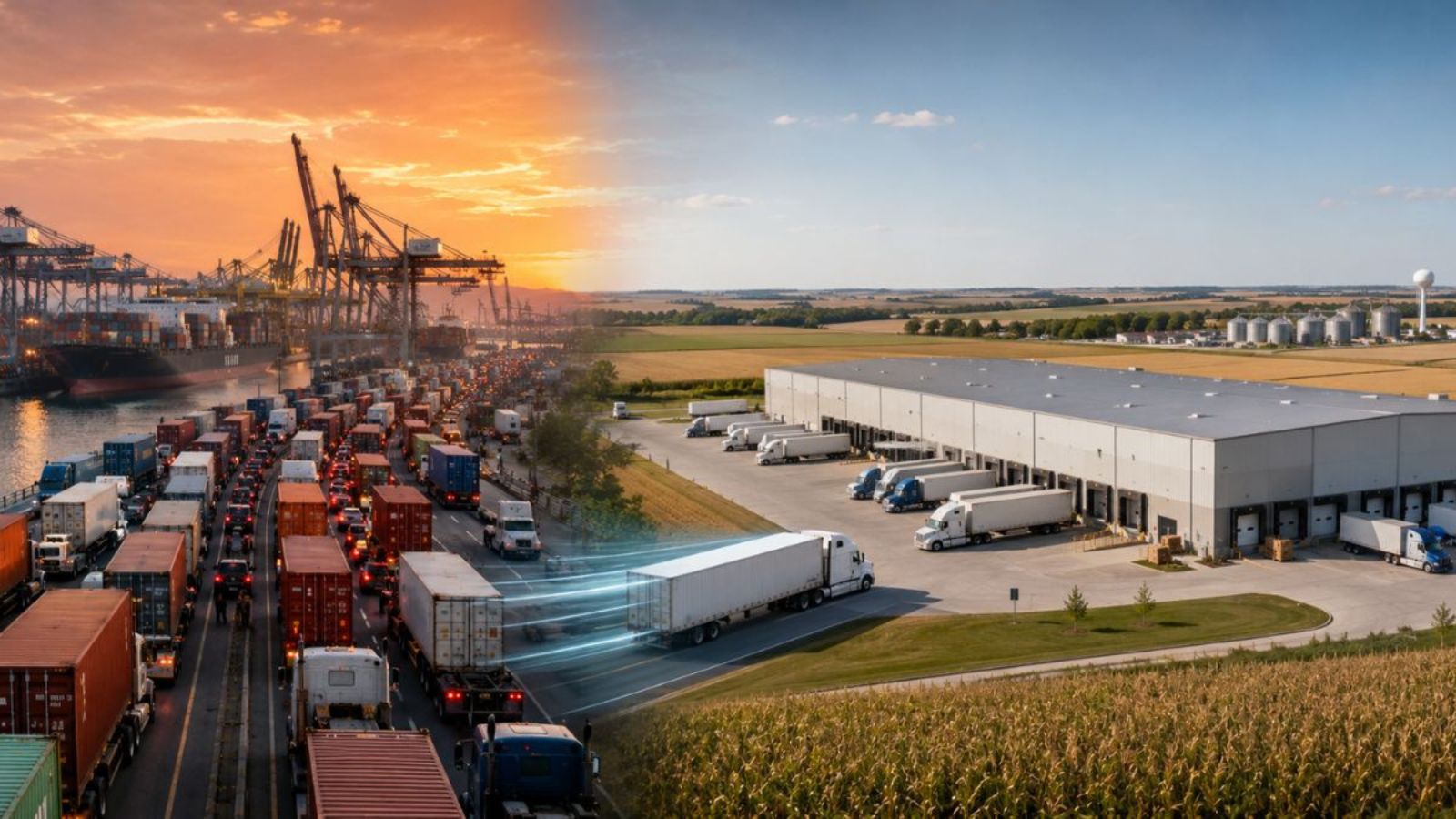
Many businesses focus on getting cargo through Southern California ports as quickly as possible. However, LAX and Long Beach shipping delays continue to create challenges long after containers arrive.
Products may be unloaded from vessels, but they can still spend days or weeks waiting for transportation, warehouse space, or distribution appointments. During that time, the inventory remains unavailable to customers.
As a result, delays at major West Coast ports can lead to detention fees, emergency transportation expenses, fulfillment disruptions, and other costs that accumulate throughout the supply chain.
Why Port Delays Affect More Than Transportation
Many companies view port congestion as a transportation issue. In reality, delays often affect inventory planning, customer service, and distribution operations.
When shipments remain stuck near major ports, businesses may face:
- Inventory shortages
- Delayed customer orders
- Missed production schedules
- Increased storage costs
- Transportation disruptions
The longer products remain stalled near the ports, the more difficult it becomes to maintain predictable inventory levels.
In many cases, the challenge is not that products have not arrived in the country. The challenge is that businesses cannot access and distribute those products when they need them.
The Difference Between Arrived and Available Inventory
One common challenge occurs when products have arrived at a port but have not yet reached a distribution facility.
A shipment may appear to be on schedule because it has been unloaded from a vessel. However, inventory cannot be used until it reaches a location where orders can be processed and fulfilled.
Products may be sitting near the port while transportation arrangements, warehouse appointments, or inland movement are still being coordinated. This gap between arrival and availability can create planning problems for distributors, retailers, and manufacturers.
Customers often discover that products listed as inbound are still days or weeks away from being ready for distribution.
How LAX and Long Beach Shipping Delays Create Chain Reactions
Port congestion rarely affects a single shipment. When delays occur, they often create additional challenges throughout the supply chain.
These may include:
- Missed rail connections
- Limited trucking capacity
- Appointment scheduling issues
- Distribution center disruptions
- Longer lead times
A delay of only a few days can create larger scheduling problems later in the process. Freight that misses a planned transportation window may need to wait for the next available truck or rail slot.
The Hidden Costs Often Appear After Cargo Arrives
Many businesses assume transportation costs end once containers reach the port. However, some of the most expensive delays occur after cargo arrives.
When inventory remains near congested ports, businesses may face:
- Demurrage charges
- Container detention fees
- Additional drayage costs
- Expedited transportation expenses
- Delayed customer shipments
- Inventory shortages
Customer demand may exist, yet inventory can remain tied up in transportation or waiting for warehouse access. In some situations, businesses turn to emergency freight services to meet customer commitments, increasing transportation costs.
Over time, these expenses can exceed the original savings businesses hoped to achieve by keeping inventory near the port.
Why Some Importers Move Freight Inland Before Orders Begin Arriving
Many companies are evaluating whether inventory should remain concentrated near coastal ports.
One situation that frequently affects importers is having containers reach Southern California while replenishment orders are already being placed by customers in Chicago, Omaha, Kansas City, St. Louis, and other inland markets. Inventory may have arrived in the country, but it is still too far from the locations where orders need to be fulfilled.
Moving products inland earlier allows inventory to be positioned closer to where demand is expected. A centrally located warehouse can support distribution across multiple regions while creating separation from coastal congestion.
Inventory Movement Often Matters More Than Storage Costs
Businesses often compare warehouse rates when evaluating distribution strategies. However, delays near major ports can create costs that exceed storage expenses.
Emergency freight, delayed fulfillment, inventory shortages, and transportation disruptions can have a larger operational impact than the warehouse rate itself.
Businesses often evaluate factors such as:
- Order fulfillment speed
- Transportation access
- Distribution reach
- Inventory turnover
- Supply chain flexibility
The goal is not simply to store inventory but to position it where it can move efficiently when needed.
Midwest Warehousing Supports Faster Access to Key Markets
A warehouse located in the Midwest can help businesses serve multiple markets from a central location.
Many importers distribute products across the Midwest, South, and East Coast rather than concentrating demand in a single region. When inventory remains near Southern California, every order destined for inland markets requires additional transportation before fulfillment can begin.
By staging inventory closer to key markets, businesses may be able to respond more quickly when demand changes.
Benefits may include:
- Reduced dependence on coastal facilities
- Improved access to national transportation networks
- Faster redistribution options
- Better inventory positioning
- Greater operational flexibility
These factors can help businesses respond more effectively when delays occur elsewhere in the supply chain.
Building a More Resilient Supply Chain
Many organizations are placing greater emphasis on resilience rather than focusing solely on transportation efficiency.
A common misconception is that supply chain disruptions begin when a vessel is delayed. In reality, many challenges occur after cargo arrives, when businesses are trying to move inventory through transportation networks and into distribution facilities.
Many businesses that once relied heavily on a single coastal distribution point are now positioning inventory across multiple regions. This can help reduce the impact of disruptions affecting one location.
Why LAX and Long Beach Shipping Delays Matter
LAX and Long Beach shipping delays can affect much more than vessel schedules. Delays often influence inventory availability, transportation planning, customer fulfillment, and overall supply chain performance.
The financial impact frequently comes from costs that accumulate after cargo arrives, including detention fees, demurrage charges, emergency transportation expenses, and delayed fulfillment.
Staging inventory in the Midwest provides businesses with an opportunity to reduce exposure to coastal congestion while positioning products closer to customers throughout the country.
For many shippers, warehouse location is not simply a storage decision. It is an important part of building a supply chain that can continue operating effectively when disruptions occur.
Nebraska Warehouse One-Stop-Shop | TechnologyEnabled 3PL Value-Added Services Warehouse | Freight Broker | Logistics
Nebraska Warehouse doesn’t just help to facilitate your shipments, but we are truly a one-stop-shop solutions provider. Our services include:
- Professional Storage Development and Management
- Quality controlled Environment
- Responsive, Personal Customer Service
- Reasonable Price
- Real Estate Development and Management
- LTL & FTL Shipping
- Refrigerated Trucking & Storage
- E-Technology Software
- Transportation Freight
- Dedicated Contract Warehousing
- 3PL Public Warehousing
- 3PL Specifications
Nebraska Warehouse One-Stop-Shop | TechnologyEnabled 3PL Value-Added Services Warehouse | Freight Broker | Logistics
Nebraska Warehouse doesn’t just help to facilitate your shipments, but we are truly a one-stop-shop solutions provider. Our services include:
Latest News
The latest information about our Omaha storage warehouse services
Which Products Need Climate-Controlled Storage? A Shipper’s Guide to Temperature, Humidity, and Handling Risk
Storage requirements can become more complicated when a product looks stable at first but has...
September 25, 2026
What Happens When Retail and E-Commerce Orders Need the Same Inventory at the Same Time?
Retail and e-commerce orders can create a difficult warehouse situation when both channels need the...
September 2, 2026
Why Omaha Is the Secret Escape Route for Stalled Summer Freight
Many freight delays are not caused by a shipment failing to leave on time. They often happen after...
August 4, 2026
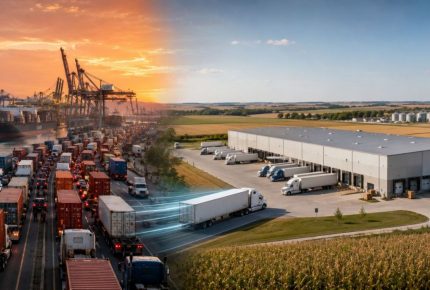
Why Shippers Lose Millions Waiting on LAX and Long Beach Instead of Staging in the Midwest
Many businesses focus on getting cargo through Southern California ports as quickly as possible....
July 3, 2026
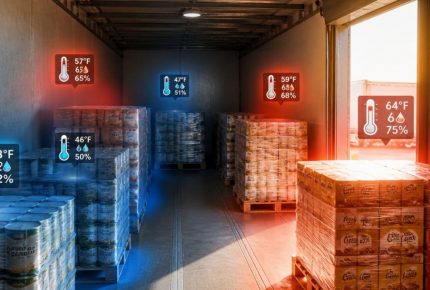
The Silent Killer of Food-Grade Goods: How Creeping Ambient Micro-Climates Destroy Shelf Life Before Delivery
When food-grade products leave the manufacturer, many businesses focus on transportation risks....
June 12, 2026
Why Midwest Distribution Centers Become Critical as Coastal Ports Slow Down in Summer
When coastal ports experience slowdowns during the summer, supply chains across the country feel...
May 21, 2026
Why Food Grade Storage Standards Matter Most During Warm Weather Months
Food-grade storage standards become even more important during warm weather. Heat and humidity can...
May 11, 2026
Dedicated Contract Warehousing vs Public Warehousing: What Fits Your Summer Needs?
Dedicated contract warehousing and public warehousing become important when summer demand increases...
April 14, 2026

Why This Spring Is The Ideal Time To Rethink Your Distribution Strategy
A spring distribution strategy becomes more important as demand patterns start to change. Spring...
March 23, 2026

Nebraska Warehouse Storage Restrictions: What Items Can a Commercial Warehouse Legally Store?
Nebraska Warehouse operates under strict storage restrictions to protect safety, maintain...
March 2, 2026
Get in touch
Address
10064 S 134th Street, Omaha, NE 68138
Telephone
+1 (402) 896-2200