The Silent Killer of Food-Grade Goods: How Creeping Ambient Micro-Climates Destroy Shelf Life Before Delivery
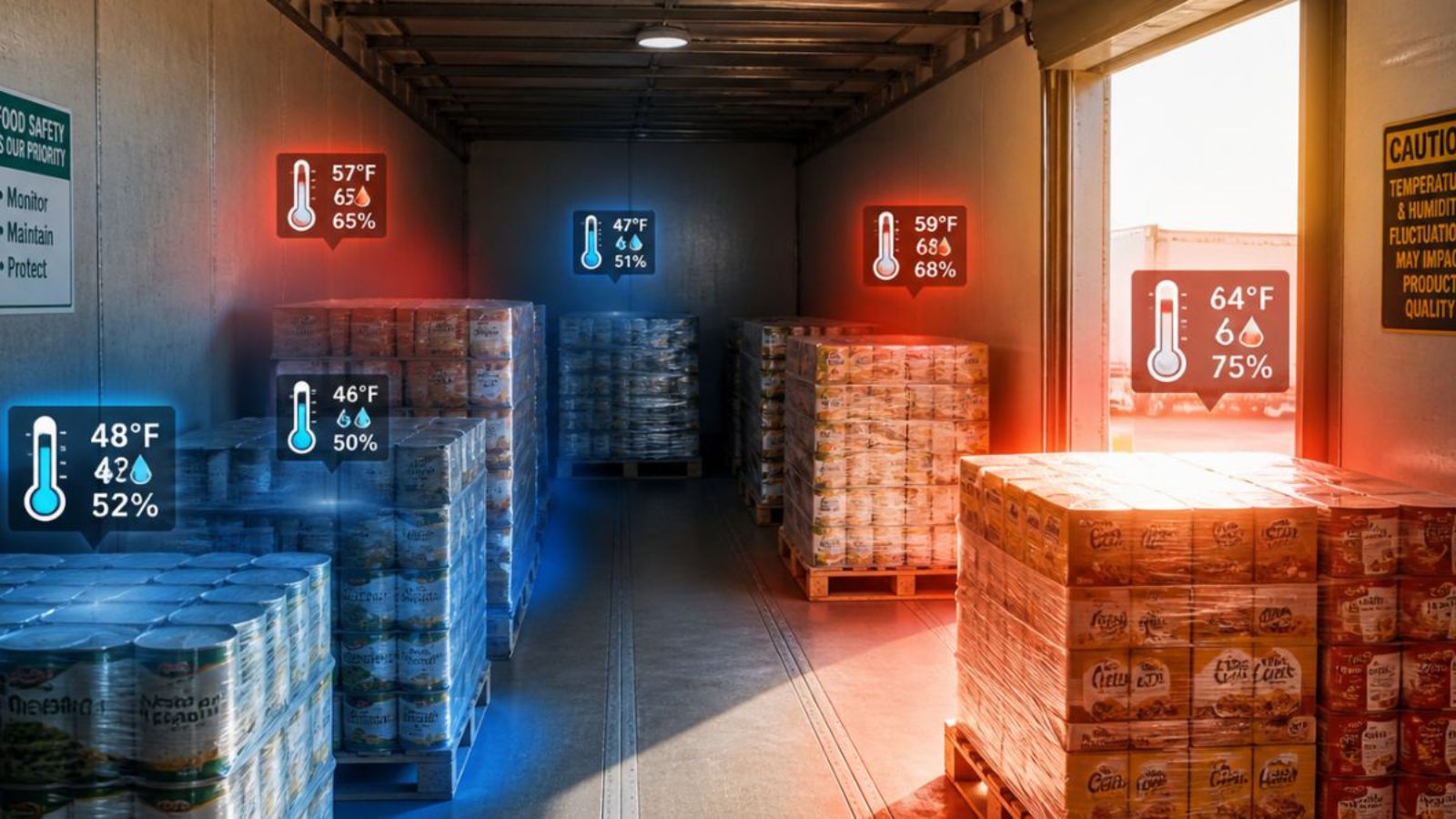
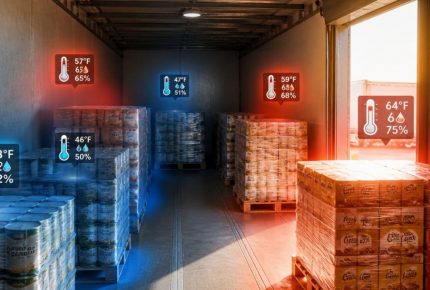
When food-grade products leave the manufacturer, many businesses focus on transportation risks. However, ambient micro-climates inside a warehouse can affect product quality before shipments even leave the building. These small changes in temperature and humidity often go unnoticed, but they can reduce shelf life and increase the risk of spoilage.
A warehouse may seem to have stable conditions overall, but different areas can experience different temperatures and moisture levels. Over time, these changes can affect product quality, packaging, and storage performance.
For businesses storing finished products, understanding these conditions is an important part of protecting inventory throughout storage and distribution.
What Are Ambient Micro-Climates?
An ambient micro-climate is a small area within a warehouse where conditions differ from the rest of the building.
Many factors can create these variations, including:
- Building design
- Airflow patterns
- Loading dock activity
- Sunlight exposure
- Equipment operation
- Storage layouts
Because these conditions often develop slowly, they can be difficult to spot without regular monitoring. A warehouse may appear to be operating normally while certain areas experience conditions that shorten product shelf life.
Why Small Changes Matter
Food-grade goods can be sensitive to changes in temperature and humidity. Even small shifts can affect quality when products remain in storage for extended periods.
Possible effects include:
- Reduced shelf life
- Changes in texture
- Moisture buildup
- Damaged packaging
- Loss of flavor or aroma
- Increased risk of mold growth
These problems may not appear right away. In many cases, they become noticeable only after products reach distributors, retailers, or customers.
Common Areas Where Micro-Climates Develop
Not every part of a warehouse experiences the same conditions.
Some locations are more likely to develop environmental changes than others.
Near Loading Docks
Loading dock doors open throughout the day. Each time they open, outside air enters the building.
During hot summers or in humid weather, these areas can experience conditions different from the rest of the warehouse.
Along Exterior Walls
Walls that receive direct sunlight often become warmer than interior areas.
Products stored near these walls may experience different temperatures from inventory stored closer to the center of the building.
Upper Storage Levels
Heat rises naturally. As a result, products stored on upper racks may experience warmer conditions than products stored lower in the facility.
Areas With Limited Airflow
Tightly packed storage areas, corners, and enclosed sections may have poor air circulation.
Without enough airflow, heat and moisture can build up and create ambient micro-climates that affect nearby inventory.
The Hidden Cost of Shelf-Life Reduction
When storage conditions are inconsistent, the costs can add up quickly.
Businesses may face:
- More product waste
- Customer complaints
- Shorter selling windows
- Higher quality-control costs
- Rejected shipments
- Reduced profitability
Even if products meet storage requirements, extended exposure to unfavorable conditions can still affect their market value and usability.
Why Consistent Warehousing Conditions Matter
Protecting food-grade products requires more than storing them indoors.
Warehouses need stable conditions throughout the facility. Consistency helps reduce the chance that some products will be exposed to conditions that differ from others.
This often includes:
- Smart inventory placement
- Temperature and humidity checks
- Proper airflow
- Organized storage areas
- Routine inspections
- Facility maintenance
The goal is to reduce ambient micro-climates and maintain more consistent storage conditions throughout the warehouse.
Inventory Visibility Helps Prevent Problems
Managing warehouse conditions works best when inventory is easy to monitor.
Modern inventory management systems help warehouse teams track inventory and monitor inventory on hand more accurately. This makes it easier to rotate products, identify aging stock, and move inventory when needed.
Better visibility can help reduce the time products spend in areas that may have less favorable conditions.
Distribution Timing Plays a Role
Storage conditions are only part of the equation. How long products remain in storage also affects shelf-life performance.
Efficient inventory handling and order fulfillment processes help keep products moving through the warehouse.
Reducing unnecessary delays helps preserve product quality while supporting reliable delivery schedules.
Building a Stronger Food-Grade Supply Chain
Effective supply chain management helps businesses protect product quality from storage through delivery.
Warehouses that maintain stable conditions and follow strong inventory practices are better positioned to reduce risk. Using inventory management software can also improve visibility and help teams respond quickly when conditions change.
These efforts help preserve shelf life and support smoother warehouse operations.
Why Warehouse Environment Matters
Small environmental changes can have a big impact on food-grade inventory. Problems that begin in storage may not become visible until products move further through the supply chain.
Maintaining consistent warehouse conditions helps protect product quality, reduce waste, and improve inventory performance. It also ensures products arrive in better condition, helping businesses meet customer demand and deliver the reliability customers expect.
For food-grade goods, careful warehouse management can make a meaningful difference in preserving shelf life and reducing avoidable losses.
Nebraska Warehouse One-Stop-Shop | TechnologyEnabled 3PL Value-Added Services Warehouse | Freight Broker | Logistics
Nebraska Warehouse doesn’t just help to facilitate your shipments, but we are truly a one-stop-shop solutions provider. Our services include:
- Professional Storage Development and Management
- Quality controlled Environment
- Responsive, Personal Customer Service
- Reasonable Price
- Real Estate Development and Management
- LTL & FTL Shipping
- Refrigerated Trucking & Storage
- E-Technology Software
- Transportation Freight
- Dedicated Contract Warehousing
- 3PL Public Warehousing
- 3PL Specifications
Nebraska Warehouse One-Stop-Shop | TechnologyEnabled 3PL Value-Added Services Warehouse | Freight Broker | Logistics
Nebraska Warehouse doesn’t just help to facilitate your shipments, but we are truly a one-stop-shop solutions provider. Our services include:
Latest News
The latest information about our Omaha storage warehouse services

Why “In Stock” Does Not Always Mean “Ready to Ship” During Peak Season
During peak season, businesses often encounter a frustrating fulfillment question: an item shows as...
October 14, 2026
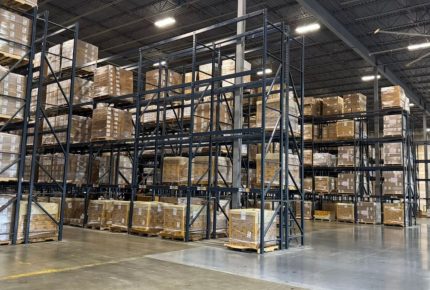
Which Products Need Climate-Controlled Storage? A Shipper’s Guide to Temperature, Humidity, and Handling Risk
Storage requirements can become more complicated when a product looks stable at first but has...
September 25, 2026

What Happens When Retail and E-Commerce Orders Need the Same Inventory at the Same Time?
Retail and e-commerce orders can create a difficult warehouse situation when both channels need the...
September 2, 2026
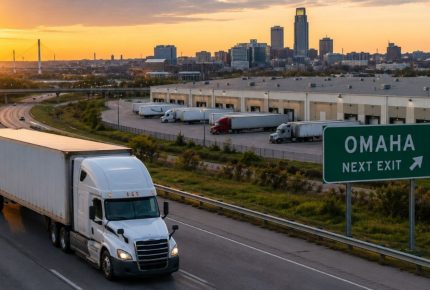
Why Omaha Is the Secret Escape Route for Stalled Summer Freight
Many freight delays are not caused by a shipment failing to leave on time. They often happen after...
August 4, 2026
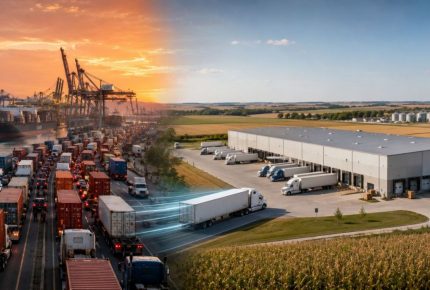
Why Shippers Lose Millions Waiting on LAX and Long Beach Instead of Staging in the Midwest
Many businesses focus on getting cargo through Southern California ports as quickly as possible....
July 3, 2026
The Silent Killer of Food-Grade Goods: How Creeping Ambient Micro-Climates Destroy Shelf Life Before Delivery
When food-grade products leave the manufacturer, many businesses focus on transportation risks....
June 12, 2026
Why Midwest Distribution Centers Become Critical as Coastal Ports Slow Down in Summer
When coastal ports experience slowdowns during the summer, supply chains across the country feel...
May 21, 2026
Why Food Grade Storage Standards Matter Most During Warm Weather Months
Food-grade storage standards become even more important during warm weather. Heat and humidity can...
May 11, 2026
Dedicated Contract Warehousing vs Public Warehousing: What Fits Your Summer Needs?
Dedicated contract warehousing and public warehousing become important when summer demand increases...
April 14, 2026

Why This Spring Is The Ideal Time To Rethink Your Distribution Strategy
A spring distribution strategy becomes more important as demand patterns start to change. Spring...
March 23, 2026
Get in touch
Address
10064 S 134th Street, Omaha, NE 68138
Telephone
+1 (402) 896-2200