Which Products Need Climate-Controlled Storage? A Shipper’s Guide to Temperature, Humidity, and Handling Risk
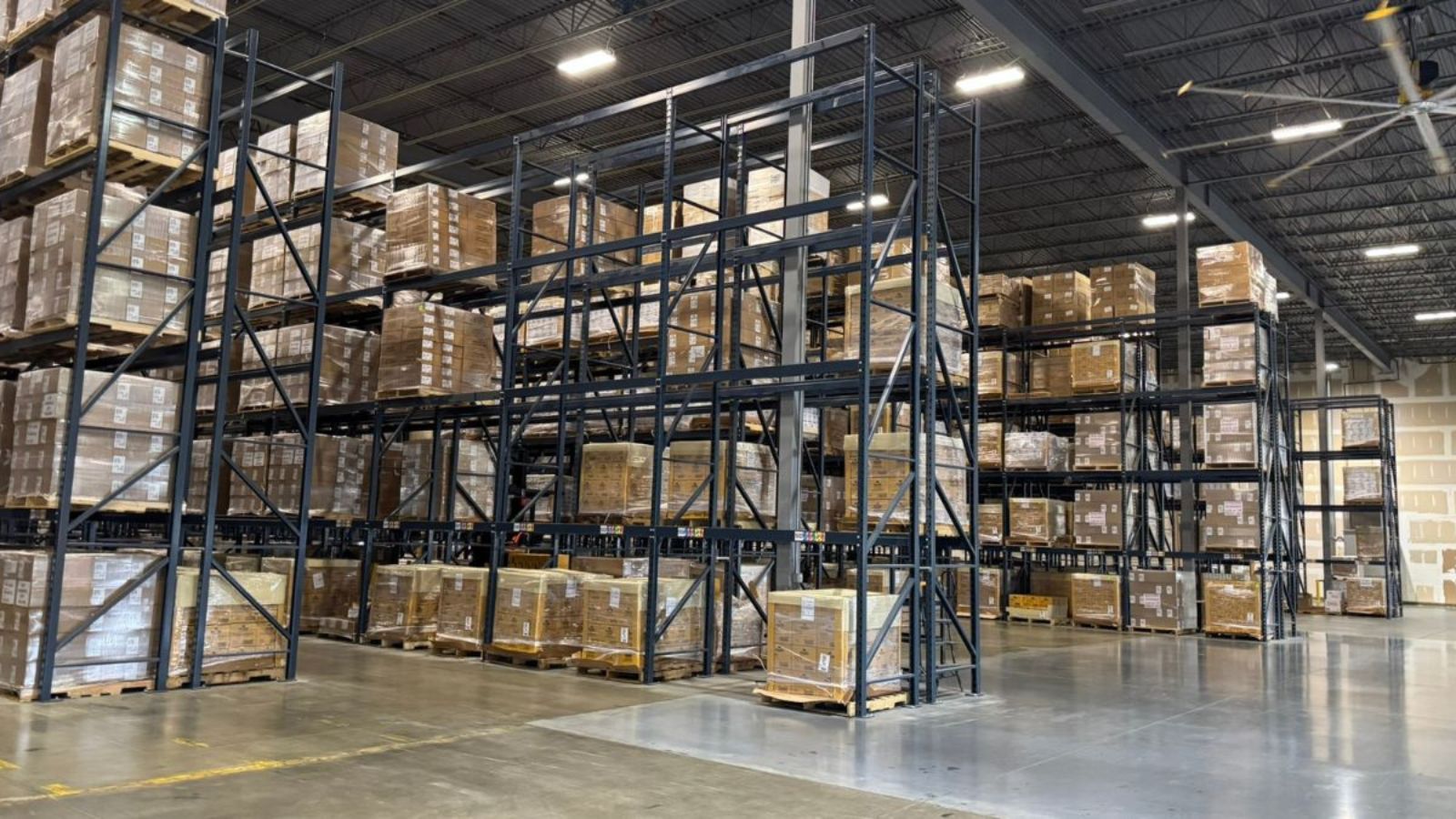
Storage requirements can become more complicated when a product looks stable at first but has specific limits for temperature, moisture, or handling. Some products need climate-controlled storage to keep conditions stable while the warehouse holds the inventory.
A product doesn’t automatically need refrigerated storage just because it’s temperature-sensitive. The right environment depends on the product’s specifications, packaging, storage duration, and the conditions it may encounter during receiving, staging, and shipment.
Temperature-Sensitive Products
Not every temperature-sensitive product needs to be kept cold. Some products require refrigeration or freezing, while others need protection from excessive heat or significant temperature fluctuations.
Certain foods and ingredients, pharmaceuticals, cosmetics, beverages, and other sensitive goods may have specific temperature limits that need to be maintained during storage. The manufacturer’s requirements should determine the appropriate environment rather than the product category alone.
Nebraska Warehouse provides several controlled environments, including cooler, freezer, heated, and air-conditioned storage. Its published specifications include cooler space ranging from 32°F to 55°F and air-conditioned space maintained at 68°F.
Before delivery, shippers should confirm:
- Minimum and maximum storage temperature
- Whether freezing must be avoided
- Whether temperature fluctuations are a concern
- Maximum recommended storage time
- Temperature requirements during loading and unloading
The goal is to maintain the conditions specified for the product throughout its time in the warehouse.
Humidity and Moisture Exposure
Temperature is only one part of the storage environment. Moisture can affect the product itself, while condensation and humidity changes can also weaken packaging.
This is especially relevant for paper-based packaging, moisture-sensitive materials, some foods, and goods with specific environmental needs. A carton may arrive in good condition but deteriorate after prolonged exposure to unsuitable moisture levels.
Shippers should review:
- Humidity or moisture limitations
- Condensation risks
- Packaging materials and limitations
- Whether the product absorbs moisture
- Environmental requirements listed by the manufacturer
Packaging deserves attention because damage to the outer carton, label, or protective material can create problems even when the product itself initially appears unaffected.
Standard Storage vs. Controlled Conditions
Not every product requires a controlled environment.
Products that tolerate normal warehouse conditions, have durable packaging, and move through the facility relatively quickly may be suitable for standard storage. The decision becomes more important when a product has narrow environmental requirements or will remain in storage for an extended period.
For products with specific environmental requirements, climate-controlled storage may be appropriate when standard warehouse conditions cannot reliably maintain those requirements.
| Product consideration | Potential concern | What to verify |
|---|---|---|
| Temperature-sensitive contents | Product quality may change | Required temperature range |
| Moisture-sensitive products | Condensation or deterioration | Humidity and moisture limits |
| Long-term storage | Greater environmental exposure | Expected storage duration |
| Sensitive packaging | Carton or label damage | Packaging specifications |
| Refrigerated goods | Product may leave its required range | Cooler requirements |
| Frozen goods | Thawing or temperature changes | Freezer requirements |
The key distinction is whether the product is designed to tolerate normal conditions or has specific conditions that must be maintained.
Storage duration also matters. A product that is suitable for short-term ambient storage may face greater exposure when it remains in a facility for several months or passes through seasonal temperature changes.
Handling Risks Beyond the Storage Area
The storage environment is only part of the warehouse process.
A temperature-sensitive product may be stored correctly but still face exposure while being moved between storage, staging, and the loading area. Extended time in staging or on a loading dock can create conditions that differ from the primary storage environment.
The number of times inventory is moved can also matter. Repeated transfers create more opportunities for physical damage, temperature changes, or moisture exposure.
Handling considerations include:
- How the product is palletized
- How frequently it will be moved
- Where it will be staged before shipment
- How long it may remain outside controlled conditions
- What equipment is appropriate for the load
- Whether loading procedures create additional exposure
Nebraska Warehouse uses equipment such as narrow-aisle forklifts, electric pallet jacks, box clamps, and roll clamps for different types of warehouse handling.
For products with environmental limits, the handling process should support the storage requirements rather than undermine them during movement.
Storage Requirements to Confirm Before Delivery
The most useful information usually comes from the product specifications.
Before inventory arrives, shippers should provide the warehouse with requirements that could affect product condition. This allows the storage environment and handling process to be evaluated before the shipment is received.
A basic review should cover:
- Required temperature range
- Humidity or moisture restrictions
- Freezing limitations
- Packaging requirements
- Expected storage duration
- Pallet and handling requirements
- Loading and unloading considerations
Manufacturer documentation, product labels, and specification sheets can help establish these requirements. If the instructions are unclear, the manufacturer or supplier should be consulted rather than relying on assumptions based on the product category.
Providing this information before delivery also allows the warehouse to identify potential staging, handling, or environmental concerns in advance.
The right storage environment depends on the product’s documented temperature, humidity, packaging, and handling requirements. Reviewing those requirements before delivery helps determine whether standard warehouse conditions are sufficient or whether climate-controlled storage is more appropriate.
Frequently Asked Questions
Is a product specification sheet enough for storage needs?
It is usually the best starting point because it can identify temperature, moisture, shelf-life, and handling limitations. If the requirements are unclear, the manufacturer or supplier should provide clarification.
Do seasonal conditions affect ambient inventory?
They can. Products stored in ambient conditions may experience greater environmental variation during extreme seasonal temperatures, particularly during receiving, staging, or loading.
Does packaging have separate storage requirements?
Yes. Packaging can be sensitive to moisture, condensation, temperature changes, or physical handling. Its requirements should be considered alongside those of the product itself.
What should be provided before shipment?
Shippers should provide documented temperature, humidity, packaging, storage duration, and handling requirements before inventory arrives. This allows the warehouse to evaluate the appropriate environment and handling process in advance.
Nebraska Warehouse One-Stop-Shop | TechnologyEnabled 3PL Value-Added Services Warehouse | Freight Broker | Logistics
Nebraska Warehouse doesn’t just help to facilitate your shipments, but we are truly a one-stop-shop solutions provider. Our services include:
- Professional Storage Development and Management
- Quality controlled Environment
- Responsive, Personal Customer Service
- Reasonable Price
- Real Estate Development and Management
- LTL & FTL Shipping
- Refrigerated Trucking & Storage
- E-Technology Software
- Transportation Freight
- Dedicated Contract Warehousing
- 3PL Public Warehousing
- 3PL Specifications
Nebraska Warehouse One-Stop-Shop | TechnologyEnabled 3PL Value-Added Services Warehouse | Freight Broker | Logistics
Nebraska Warehouse doesn’t just help to facilitate your shipments, but we are truly a one-stop-shop solutions provider. Our services include:
Latest News
The latest information about our Omaha storage warehouse services

Why “In Stock” Does Not Always Mean “Ready to Ship” During Peak Season
During peak season, businesses often encounter a frustrating fulfillment question: an item shows as...
October 14, 2026
Which Products Need Climate-Controlled Storage? A Shipper’s Guide to Temperature, Humidity, and Handling Risk
Storage requirements can become more complicated when a product looks stable at first but has...
September 25, 2026

What Happens When Retail and E-Commerce Orders Need the Same Inventory at the Same Time?
Retail and e-commerce orders can create a difficult warehouse situation when both channels need the...
September 2, 2026

Why Omaha Is the Secret Escape Route for Stalled Summer Freight
Many freight delays are not caused by a shipment failing to leave on time. They often happen after...
August 4, 2026

Why Shippers Lose Millions Waiting on LAX and Long Beach Instead of Staging in the Midwest
Many businesses focus on getting cargo through Southern California ports as quickly as possible....
July 3, 2026
The Silent Killer of Food-Grade Goods: How Creeping Ambient Micro-Climates Destroy Shelf Life Before Delivery
When food-grade products leave the manufacturer, many businesses focus on transportation risks....
June 12, 2026

Why Midwest Distribution Centers Become Critical as Coastal Ports Slow Down in Summer
When coastal ports experience slowdowns during the summer, supply chains across the country feel...
May 21, 2026
Why Food Grade Storage Standards Matter Most During Warm Weather Months
Food-grade storage standards become even more important during warm weather. Heat and humidity can...
May 11, 2026

Dedicated Contract Warehousing vs Public Warehousing: What Fits Your Summer Needs?
Dedicated contract warehousing and public warehousing become important when summer demand increases...
April 14, 2026

Why This Spring Is The Ideal Time To Rethink Your Distribution Strategy
A spring distribution strategy becomes more important as demand patterns start to change. Spring...
March 23, 2026
Get in touch
Address
10064 S 134th Street, Omaha, NE 68138
Telephone
+1 (402) 896-2200