Why “In Stock” Does Not Always Mean “Ready to Ship” During Peak Season

During peak season, businesses often encounter a frustrating fulfillment question: an item shows as in stock, so why is it not ready to ship? The answer usually comes down to the difference between having inventory somewhere in the warehouse and having that inventory processed and available for immediate shipment.
An item can be physically present while still waiting for receiving, allocation, picking, packing, staging, or another fulfillment step. Higher order volumes can make the gap between those stages more noticeable.
Physical vs. Available Inventory
An inventory count does not always represent the number of units available for a new order.
Some units may already be committed to existing orders, placed on hold, or waiting for an inventory issue to be resolved. A warehouse can have products physically present without having the same quantity available for immediate fulfillment.
Before assuming an item can ship immediately, businesses should confirm:
- Quantity physically received
- Quantity available for new orders
- Quantity already committed
- Inventory placed on hold
- Location of available units
- Unresolved inventory discrepancies
The useful question is not only how much inventory exists, but how much has been verified and released for fulfillment.
Receiving vs. Fulfillment
Another misconception is that inventory becomes immediately available as soon as a truck arrives.
Incoming products may need to be counted, checked, recorded, and assigned to a storage location. Until those steps are completed, the warehouse may not have reliable information about the quantity that can be released for orders.
Before newly received inventory enters normal fulfillment, the warehouse may need to verify:
- Actual quantities received
- Product and SKU information
- Packaging or pallet condition
- Inventory discrepancies
- Storage location
- System records
Nebraska Warehouse uses a warehouse management system with real-time inventory information and barcode capabilities to track inventory as it moves through the warehouse.
An item can therefore be physically inside the facility without being ready to pick.
Peak Season Queues
Peak season does not necessarily add new steps to fulfillment. It increases the amount of work moving through existing ones.
An order may need to be processed, picked, packed, labeled, staged, and transferred to a carrier. When many orders arrive within a short period, each step can develop its own queue.
For example, inventory may be available and correctly allocated, but warehouse staff may still need to pick the order and prepare it for packing. After packing, the shipment may also wait for staging or the next scheduled carrier pickup.
Businesses should consider:
- Order volume
- Items per order
- Picking and packing requirements
- Available staging space
- Carrier pickup schedules
A fulfillment delay does not automatically indicate an inventory problem. The inventory may be ready while the order is waiting for capacity at another stage.
Inventory Allocation
Inventory becomes more complicated when the same products are sold through retail, wholesale, and e-commerce channels.
A business may rely on one inventory pool for multiple customer types. When demand increases, available units can be allocated quickly to existing orders or specific sales channels.
For example, a product may show as available when an order is submitted. However, other orders processed around the same time may consume the remaining unallocated units. The product has not necessarily disappeared from the warehouse; its available quantity has changed.
Businesses should establish clear rules for:
- Which orders receive available inventory
- When inventory becomes reserved
- When units are officially allocated
- How competing sales channels are handled
- What happens when quantities are limited
Real-time inventory visibility can help businesses distinguish a genuine shortage from inventory that has already been committed elsewhere.
Check the Fulfillment Stage
When an order is delayed even though the product is in stock, checking the order’s specific status is more useful than checking the inventory count alone.
Different statuses can indicate very different situations.
| Fulfillment Stage | What It Generally Means | What to Check |
|---|---|---|
| Received | Product has arrived at the warehouse | Quantity and condition |
| Available | Inventory is released for fulfillment | Available quantity |
| Allocated | Units are committed to an order | Allocation status |
| Picked | Items have been retrieved | Order accuracy |
| Packed | Items have been packaged | Package readiness |
| Staged | Shipment is prepared for pickup | Carrier schedule |
| Shipped | Carrier has accepted the package | Tracking information |
An allocated order may simply be waiting for picking. A packed order may be waiting for carrier pickup rather than waiting on inventory.
An order can be in stock but still moving through several fulfillment steps before it is ready to ship. Checking the order’s current fulfillment stage can provide more useful information about where a delay may be occurring.
Prepare for Peak Season
The most effective time to identify fulfillment constraints is before order volume reaches its seasonal peak.
Businesses should review high-volume products, confirm inventory accuracy, identify products shared across sales channels, and establish order cutoffs and carrier arrangements.
A pre-season review should include:
- High-volume SKUs and expected demand
- Inventory counts and discrepancies
- Products shared across sales channels
- Allocation procedures
- Order cutoff dates
- Picking and packing requirements
- Carrier pickup arrangements
- Staging requirements
Customer-service teams should also understand the difference between inventory availability and shipment readiness. Telling a customer that a product is available does not necessarily mean the package has been picked, packed, or transferred to the carrier.
Clear status information makes it easier to communicate realistic expectations when order volume increases.
In Stock vs. Ready to Ship
The key distinction is simple: in stock describes inventory that is present or available, while ready to ship describes an order that has progressed through the necessary fulfillment steps.
During peak season, those conditions can be separated by receiving, allocation, picking, packing, staging, or carrier pickup. A product can therefore be available without the customer’s order being ready to leave the warehouse.
For businesses preparing for seasonal demand, having enough inventory is only part of the process. Inventory also needs to be accurately tracked, properly allocated, and supported by a fulfillment operation capable of moving orders through each stage.
Understanding that distinction helps businesses investigate delays more accurately and communicate clearly when demand is at its highest.
Frequently Asked Questions
Can inventory records change after an order is submitted?
Yes. Other orders may be processed before the original order is allocated, reducing the remaining available quantity. Records can also change when discrepancies, damaged goods, or holds are identified.
Why can an estimated ship date change during peak season?
An estimated ship date can change when order volume, warehouse processing time, inventory availability, or carrier schedules differ from the original expectation. This does not necessarily mean the product is unavailable.
Is a ship date the same as a delivery date?
No. A ship date generally refers to when an order leaves the warehouse or is handed to the carrier. Delivery occurs later and depends on transit time and destination.
Does expedited shipping skip warehouse processing?
Not necessarily. Expedited service generally affects transportation after the order reaches the carrier. The order may still need normal warehouse processing before it can ship.
When should a business investigate a fulfillment delay?
A business should investigate when an order remains at the same fulfillment stage longer than expected or when multiple orders experience similar delays. Identifying the stage can help determine whether the issue involves inventory, warehouse capacity, or carrier timing.
Nebraska Warehouse One-Stop-Shop | TechnologyEnabled 3PL Value-Added Services Warehouse | Freight Broker | Logistics
Nebraska Warehouse doesn’t just help to facilitate your shipments, but we are truly a one-stop-shop solutions provider. Our services include:
- Professional Storage Development and Management
- Quality controlled Environment
- Responsive, Personal Customer Service
- Reasonable Price
- Real Estate Development and Management
- LTL & FTL Shipping
- Refrigerated Trucking & Storage
- E-Technology Software
- Transportation Freight
- Dedicated Contract Warehousing
- 3PL Public Warehousing
- 3PL Specifications
Nebraska Warehouse One-Stop-Shop | TechnologyEnabled 3PL Value-Added Services Warehouse | Freight Broker | Logistics
Nebraska Warehouse doesn’t just help to facilitate your shipments, but we are truly a one-stop-shop solutions provider. Our services include:
Latest News
The latest information about our Omaha storage warehouse services

Why “In Stock” Does Not Always Mean “Ready to Ship” During Peak Season
During peak season, businesses often encounter a frustrating fulfillment question: an item shows as...
October 14, 2026
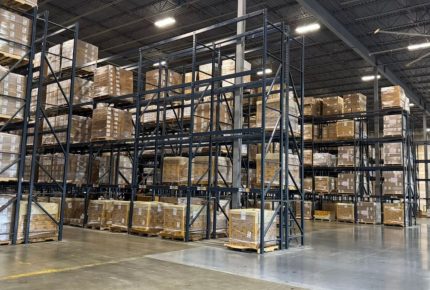
Which Products Need Climate-Controlled Storage? A Shipper’s Guide to Temperature, Humidity, and Handling Risk
Storage requirements can become more complicated when a product looks stable at first but has...
September 25, 2026
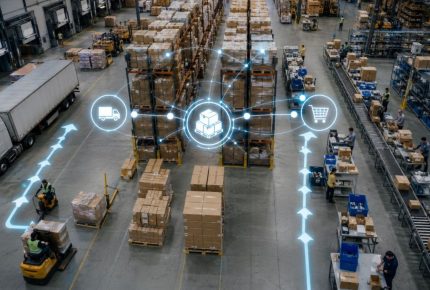
What Happens When Retail and E-Commerce Orders Need the Same Inventory at the Same Time?
Retail and e-commerce orders can create a difficult warehouse situation when both channels need the...
September 2, 2026

Why Omaha Is the Secret Escape Route for Stalled Summer Freight
Many freight delays are not caused by a shipment failing to leave on time. They often happen after...
August 4, 2026

Why Shippers Lose Millions Waiting on LAX and Long Beach Instead of Staging in the Midwest
Many businesses focus on getting cargo through Southern California ports as quickly as possible....
July 3, 2026
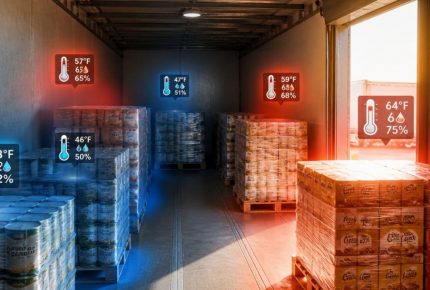
The Silent Killer of Food-Grade Goods: How Creeping Ambient Micro-Climates Destroy Shelf Life Before Delivery
When food-grade products leave the manufacturer, many businesses focus on transportation risks....
June 12, 2026
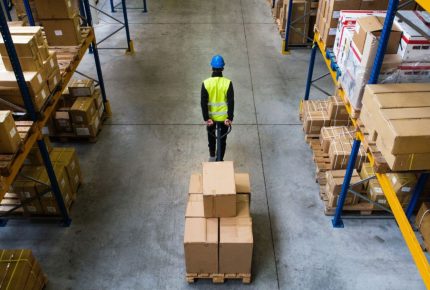
Why Midwest Distribution Centers Become Critical as Coastal Ports Slow Down in Summer
When coastal ports experience slowdowns during the summer, supply chains across the country feel...
May 21, 2026
Why Food Grade Storage Standards Matter Most During Warm Weather Months
Food-grade storage standards become even more important during warm weather. Heat and humidity can...
May 11, 2026
Dedicated Contract Warehousing vs Public Warehousing: What Fits Your Summer Needs?
Dedicated contract warehousing and public warehousing become important when summer demand increases...
April 14, 2026

Why This Spring Is The Ideal Time To Rethink Your Distribution Strategy
A spring distribution strategy becomes more important as demand patterns start to change. Spring...
March 23, 2026
Get in touch
Address
10064 S 134th Street, Omaha, NE 68138
Telephone
+1 (402) 896-2200